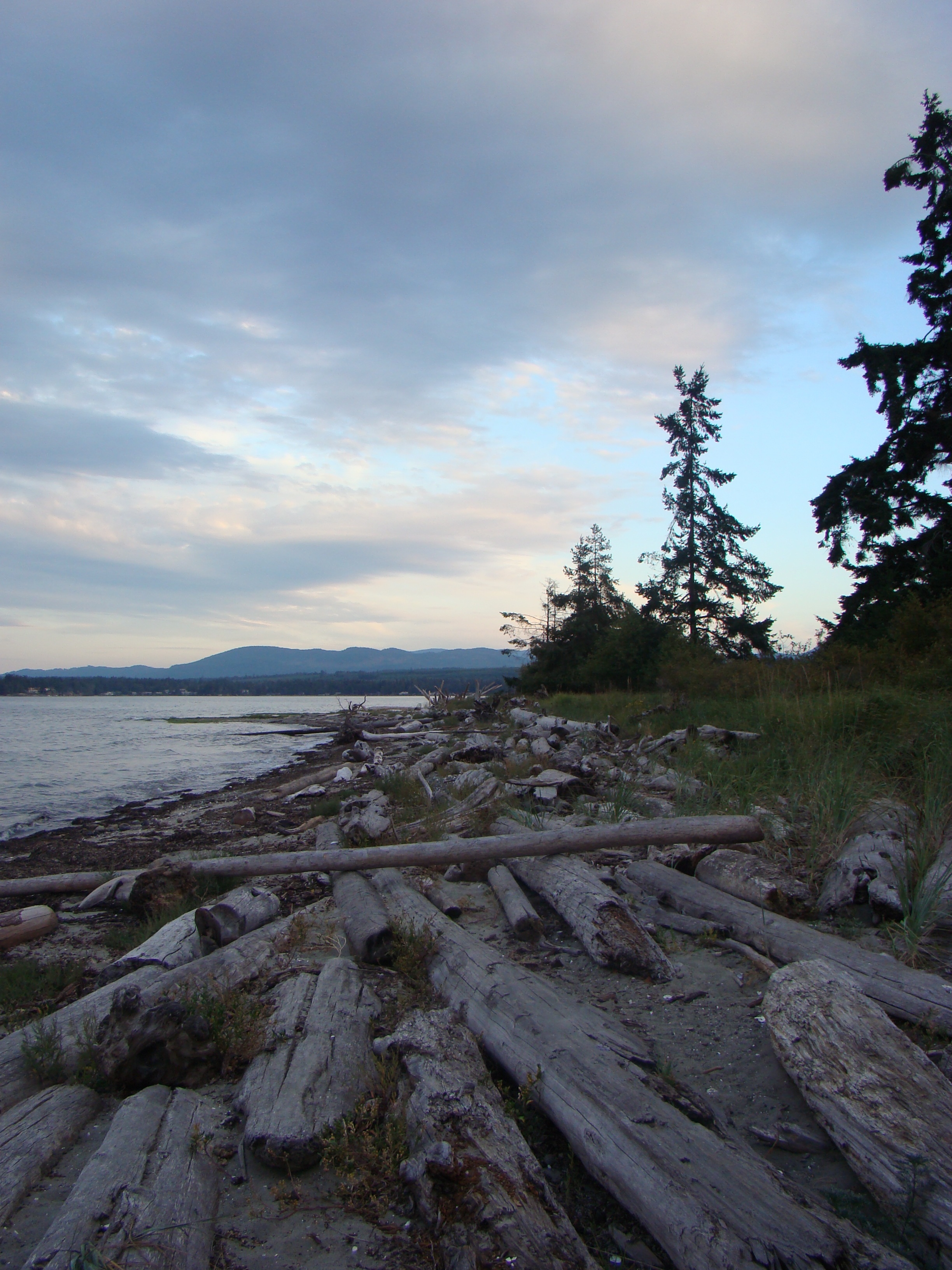
What kind of horse would you be?

It’s hard to follow up a post like Vigil with something light and happy, but that’s life: a thorough mishmash of beautiful, awful, lovely, ugly, sweet and bitter all the time.

I was recently interviewed by author (and dear friend) Angela Dorsey. It was a fun diversion from all the things going on my my life right now.

My favourite question was “What kind of horse would you be?” (very fitting coming from her half-human/half-equine soul!). And in light of what I just wrote here about life, I’d amend my answer—still Pinto, absolutely (I was obsessed with Western movies and correct me if I’m wrong, but a lot of the tough little Indian ponies were Pintos*, weren’t they?), just for more elaborate reasons. Pintos aren’t generally considered glamorous or gorgeous by most horsey standards, but they are tough—sure-footed, fleet little beasts that thrive in trying times and severe climates.

If you’d like to read the full interview, pop by Angela’s great blog, here.

I’d love to read some other writers’ takes on what horse they’d like to be . . .

*I’m sort of right: Apparently Pintos aren’t exactly the same as the Indian ponies, but they share a direct lineage and similar qualities.

Vigil

Words come harder some days than others. But (at least for today) I don’t mind. The labour makes sense to me: words have always been my lifeline—and well, life comes harder some days than others, too, doesn’t it?

My dad has just been diagnosed with cancer (Multiple Myeloma) and while (again, at least for today) I’m feeling cautiously optimistic, it’s hard to not have just the word “cancer” turn my stomach to lead. Maybe for anyone. Maybe more so if you’ve already lost a parent to it. I don’t know.

I’ve been spending long hours with him at the hospital, helping him, trying to make sense (and a record) of the foreign language of cancer treatment plans and drugs, visiting him and talking/reading with him when he’s up to it—and when he’s not, just listening to the weirdly reassuring hiss and sighs of his oxygen, IV, and the massage cuffs we have on his calves. In a strange heart-twisting way, the time we’re spending together is lovely.

When my mom was dying I was hit constantly by the horrible irony of how vivid contemplating death made life. She was sickest over summer when the whole natural world around me was at its most brilliant, its most poignant, its most alive. I had an almost three-year-old, precocious and fascinated by everything: language, stories, trees, sticks, dirt, puddles, rocks, chocolate (“Candy is good for me, Mom—it tastes good, so it’s good for me!”); I had my little son growing in my belly, turning me as round as the harvest moon that came too soon, reminding me that fall was coming and that all of life is a constant cycle of change.

My mom died in October to the darkest rainy day I think that ever was. I obliterated the day on my calendar for years in black felt pen. I don’t know when I stopped.

And now my dad—a strong man who has never been sick a day in life, a man who always prided himself on hard, hard labour—needs help just to sit up, just to put on a gown. And meanwhile spring is shooting its little tendrils of green, bringing the grey, slate-cold earth back to life. My daughter is seventeen, ambitious and eager for her “real” life to begin. I am still round like the moon, but my little son is starting to look like a man—and I am again forced to remember, as if I could ever forget, that all of life is change.

I am shocked and horrified that it’s all happening again (though I cling so hard to the hope that it’s not like my mom, it’s not like my mom, it’s not like my mom, that I feel like my insides bleed), so I take comfort in—or find escape in—the details.

Huge drops of rain that somehow pelt but simultaneously move in slow motion against the huge window that overlooks an ugly parking lot but shows a gorgeous mountain in the distance. Each fat droplet slides down the glass leaving just a glimmer of itself behind, but manages to stay intact until it rests quivering at the bottom of the frame. Some stay beaded; more burst as if surviving the downward journey was a miracle and now they just can’t hold it together.

I trace each line of the daffodils in my mind and decide I like their scent, though really, it’s like pee.

My dad snores a rumbling, grumble, and his cough has stopped; I revel in the noise and the lack of noise.

I notice that the blank page at the beginning of an old, old book (Poems Worth Remembering) has tiny markings from some long ago hand that must have written a note on top of the soft paper and the indents transferred through. I make a mental note to use a soft pencil and gently shade the page until I can see what secret has long lain there.

And today we received good news. My dad is a good candidate for bone marrow transplants, which gives him wonderful odds at living for a long while with good quality of life. I know there are tough times ahead with the treatment, but it’s so good to know that there’s well-founded reason for optimism that’s trying to wriggle through my weathered heart.

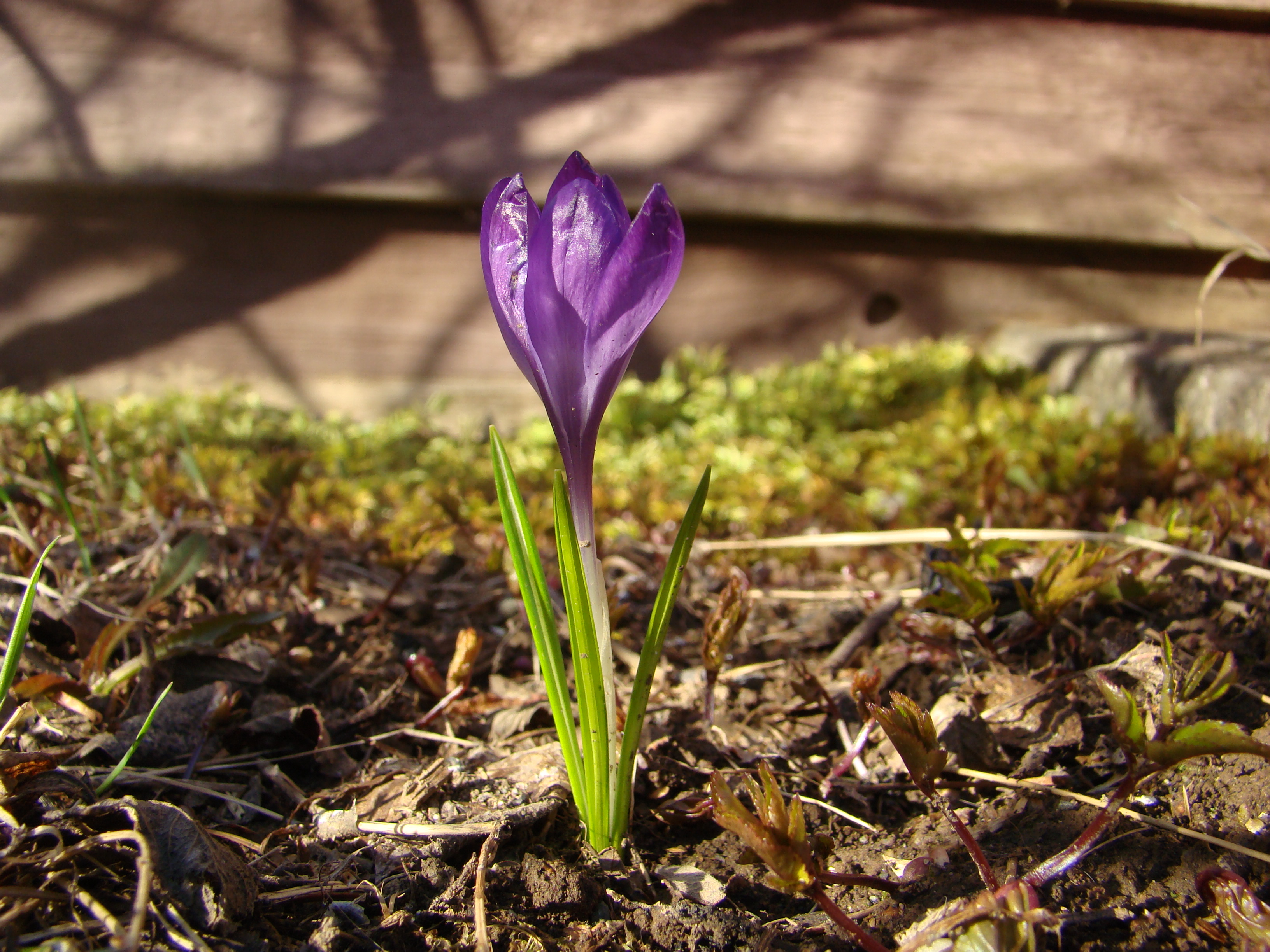
I also came across one perfect purple crocus in my front yard. And I have never planted crocuses.

Even the most difficult, disjointed words are worth it—maybe especially so. I wish always felt that way about the harder aspects of life. I hope one day I’ll see that the labour makes sense.

The Power of Story and Theme

Déjà vu Thursday This was originally published here on Write Here, Right Now on January 31, 2010. I’ve been thinking about a lot of things lately and this seemed a timely repeat. ~Ev

– – – – – – – – – – – – – – – – – –

I’ve known for a long time that I listen to, read, write, watch and tell stories for fun, yes, but also to help figure out what I think, to mash out how I believe I should live, to discover what it’s like, at least partially, to be someone else with different life experiences, to express things I feel that can’t be described in mere recitations of facts and statistics.

As a teacher, a student, a writer, I am always wowed by the power of story to create understanding, convey meaning, show relationships, and provoke thought. It’s not that I agree with every idea a story puts forth or even think agreeing is the point. The point of stories—what makes them so important and valuable—is how they provide glimpses into how people arrive at the places they do, how events shape other events, how life is perceived and experienced by another.

If you tell me war is damaging or that prejudice hurts generations of people, I’ll nod thoughtfully, because intellectually I know those are truths. If put me in a war via story or subject me to cruel indifference (or worse) because of prejudice via a character, I will know the truth on a whole different level, because I will have gotten just a bit of taste of what it must be like to suffer those things.

If you tell me that constant bullying can create a monster, I might or might not believe you (or I might start framing an argument for how people can’t just blame their circumstances on people around them). If I’m put in the situation as a fly on the wall, made to see the effects of one person of constant abuse over time, I’m probably going to be a rash of more elaborate things: a) less likely to bully b) more likely to recognize when something is mean c) more intent on being kind to people I perceived as being picked on d) less wishy-washy and permissive of mistreatment of others . . .

My own kids have shown me the power of even “little” stories. I was uptown with my son the other day and he was playing with a novelty pen that had a big rubber head with googly-eyes that bulged out, as if on springs, when you squeezed it. He was making it make weird faces, kind of chuckling. Then he stopped laughing and said, “Just like a hamster, right, Mom?”

Gack! I thought and got ready to launch into a momesque lecture. “That’s not a funny way to joke.”

“I’m not joking,” he said quickly. “It just made me think of about Uncle Wilfie’s birthday party and his poor hamster baby. I still use that story to scare little kids, you know.”

Just as I started an inner monologue, berating myself for telling that story where the intrinsic message was so obviously lost, he went on.

“You know, show them, especially – – – – , he doesn’t have very good control, the danger of giving into that I love you so much I wanna squeeze you feeling.”

Awww, I wanted to squeeze him. So I did, but just a little, cause hey, he’s 13 and I’m pretty fortunate that he allows me to be seen with him in public, let alone give him a half-hug—and besides, as established, hard squeezing can be dangerous.

Where am I going with all this?

Do I think every story should have a conceived lesson on behalf of the writer? Gah, no! (But I also don’t mind if there is one, so long as it’s done well and is integral to the story, and the story isn’t just some pale, whinging thing tacked on to try to disguise a lecture.)

Do I think fiction writers have a job to inform, reform and educate? Not in any calculated way, no. Do I think writers must have deep reaching themes that they set out to tackle? Absolutely not—not intentionally, that is.

I do think the best stories—the ones that stick with us, that we ask to hear again, that get reread and reread—contain ideas and situations that affect us in a far deeper way than being merely entertaining. They are about far more than escalating action, a wacky offbeat laugh-a-minute MC (or a deep, brooding one), the gruesome, vivid details, the ahh of perfect romantic love . . . They resonate—Yes, this is what it means to be human. Or they challenge us—This is what it could (or should!) be like to be human. They speak to us somehow about how we live, have lived, or want to live.

The trick to writing these “best stories” then—actually, that’s badly worded. It’s no trick—it’s the one aspect of writing where craft books and technique can’t help us, where the only “skill” lies in just being ourselves. We have to allow what we really care about, fear, ponder, hate, love, question to well up in our stories. Our characters are not us (usually), they’re not even based on us (again, usually), but they are people and people have universal wants, needs, fears, questions . . . Let yourself (and your characters) tackle those things and you will not only have a book that the reader won’t put down, you will have written a book with the power to affect, transform, challenge, affirm and encourage—

Intimidating, isn’t it? Yes, but I don’t know if it needs to be. If we write whatever story currently yelling in our heads, the best we can, letting ourselves “go there” (those places we want to shy away from because they feel too personally revealing), I suspect, without any intention at all, when we reread our first draft, we’ll see our theme emerging. We’ll be intrigued by, maybe even a little awed and challenged by, the emerging power in our story.

I know I was a little long-winded this post, sorry–I had no Internet for eight days, so I had lots of time for my words to build up! I’d love to hear about your thoughts on theme and how you approach, consciously or not . . .
My Grandma Nora . . .

My grandma died on Saturday and it doesn’t feel real. She was such a feisty, spirited person—I can’t quite believe she’s gone. She always seemed indomitable and maybe that’s the hardest thing about death, no matter how unlikely it seems to us, it always comes.

Talking to my little sister about it on Sunday, she said something to the effect of in some ways she’ll always be here with us and I very ungraciously blurted, “No, it’s not the same.” I hope Ellie (named after our Grandma Nora—both “Eleanora”s) forgives me. I’m a terrible person to grieve with—like an injured dog or something, snappish and horrible, best left in a cave until the worst passes. And I know my sister is right: our grandmother left an amazing legacy. I just wish she hadn’t left.

Something else wise that Ellie said (that I think/hope I was a bit more reasonable about) was that she always felt special to Grandma, that she (our grandmother) had always had one-on-one time for her. I felt the same way. And maybe that’s not something spectacular to most people, but we come from large, busy family (immediate and extended). My Grandma had ten of her own kids and most them married and went on to have two – seven kids each. I don’t know how she managed she managed to keep up a personal, meaningful relationship with each of her grandkids, but she did.

She was famous for a very strong, brisk hug. There was no soft, namby-pamby half-hearted pat, pat—you were grabbed and squeezed hard. It was very lovely and grounding. You mattered to her and she concentrated on you.

She never lost her Dutch accent and my name (Evelene) never sounded the same off of anyone else’s tongue. She was always self-conscious about the way she talked and her way of speaking and writing English (which was ridiculous, because she was adept at both), but it made me think how in some ways we always, maybe, feel our differences rather than our similarities.

She had a very sharp tongue and wit and temper (though I think us grandkids were spared the temper in a way, perhaps, her own children/husband weren’t), but she was also warm-hearted and generous, massively sentimental and given to misting up over happy and sad moments in equal measure. She was also incredibly practical.

I have written about her before and no doubt will again soon, but for right now, I just wanted to say I already miss her. I believe she is in a better place, free from pain now, quite likely, as my son says, playing Scrabble with my grandpa and visiting two of her daughters who died too young—but I am very sad she’s gone.

– – – – – – – – – – – –

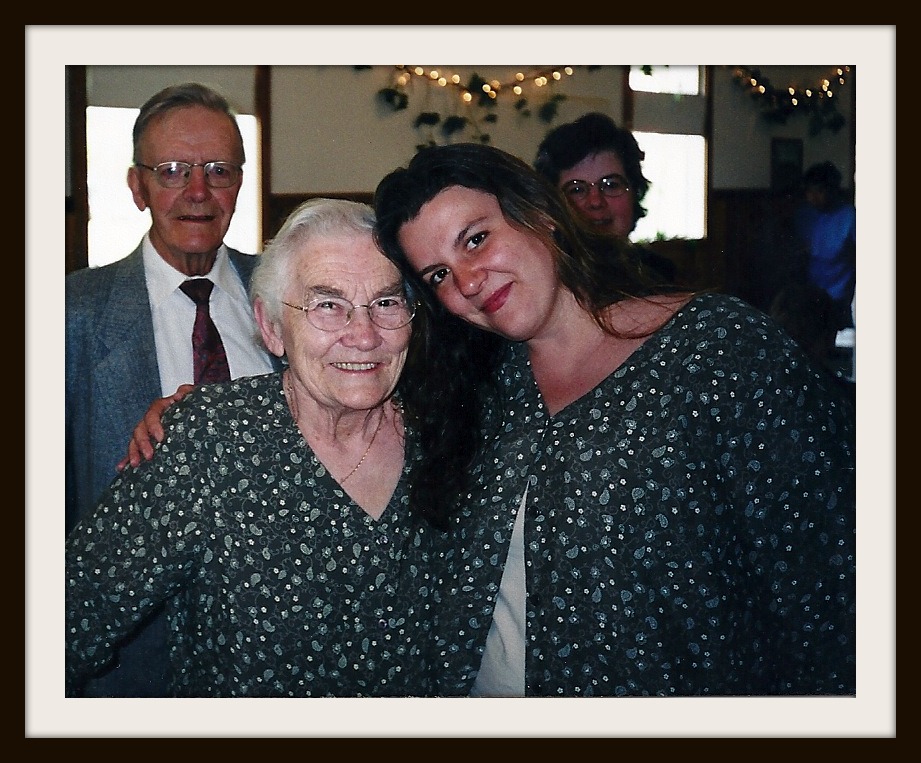
About the picture: A few summers ago, I showed up to my cousin’s wedding to find out that my Grandma and I had bought and worn the same outfit even though we lived in different towns. She thought I might be embarrassed, but it was totally the opposite.

“Great minds and all that,” I said, which made her laugh and say something about not knowing about that, but okay, okay . . .

Wherever you go, there you are . . .

Déjà vu Thursday This was originally published here on Write Here, Right Now on March 24, 2010. As I’m feeling overwhelmed by winter and daydreaming about moving to a warmer climate, I thought the topic was very apropos. It made me feel better to read it. I hope you enjoy it too. ~Ev

Photo by Ev BishopOnce upon a time, a long time ago, I was sitting at the end of a wooden dock in the purple-not-quite-dark haze of a warm northern summer night with a dear friend. We were discussing places we’d been (or he was) and places we hadn’t (me, everywhere; him, it seemed then, nowhere). I confess I was expressing a bit of jealousy and at one point he looked out over the shimmering dark mass of the tiny isolated lake we visited, and his side profile was a perfect black shadow.

“Nah, you don’t get it,” he said. “Wherever you go, you bring yourself. After about two weeks in any place, you stop being a visitor and they’re just the same as anywhere else, because you’re the same person. So if you enjoy where you are in general, you enjoy the place. If you aren’t happy in general, you aren’t happy in a new place.”

It was a life changing moment, though I didn’t realize it then; it grew on me over the years as the wisdom in his casual words came back to me time and again, applying aptly to so many facets of life.

And just recently, a variation of its truth struck me in how it relates to reading and story. I was commenting on a short exercise one of my friends did called *The Iceburg. In her reply to my comments, it became obviously, embarrassingly clear that I had completely missed her intended “understory” and put my own feelings and sentiments and past onto the character and his motivations/feelings.

I felt kind of stupid, but then I didn’t, because I realized that’s what readers do. They bring themselves to the book. To the short story. To the poem. Despite our best and most skilled writing, despite our subtle pointers and sometimes even didactic scenes meant to reveal something specific, readers will immerse themselves, with their personal histories, their guilts, their persuasions, in your story.

So can you challenge readers whom I’ve basically just said come into your story with preconceptions, prejudices, set ideas, notions, etc? Absolutely. The power and joy of reading—and its value—is that through story, you experience a new or different world and can add others’ experiences to your own, enlarging your thinking and ways of seeing/perceiving the world.

But equally absolutely, you will sometimes be surprised by what conclusions a reader arrives at about your story . . . hopefully not in too negative a way—my friend wasn’t offended—I hadn’t said anything offensive—she was just curious about how I’d gotten what I had from my read . . . and quite simply this was how: her character reminded me of someone I knew and I put all my “stuff” with that person on to her character.

So what does this fact that the reader brings him/herself to the story, thus colouring its reading, mean for us as writers? At least two things: 1) We should write our stories putting as much personal heart, care, and detail as possible. They are ours. 2) We should share our stories, knowing that once we do, they are ours no longer—or, at very least, not in the way they were, because now they are the reader’s. Precious and loved—or hated and scorned—perhaps for reasons we skilfully intended, perhaps for reasons that have nothing to do at all with what was actually in the story we wrote.

For me, it takes a bit of the pressure off—yes, I want to write stories that people love, relate to in some way, “get” . . . But if they don’t, perhaps it’s not me. It’s them. 🙂


* The Iceberg comes from a book of writing exercises that I recommend you buy: The 3 am Epiphany by Brian Kiteley.

If you’d like to try the exercise yourself—it’s a great one—here you go: “Write a small story or storylet that works with the idea of an iceberg, whose great mass is mostly below the water and therefore unseeable. Write a scene in which much of the actual story is not told. Let us feel the rest of the story that bobs quietly underwater, but don’t let us see it concretely. 500 words.”

If you do the exercise, I’d love to hear how it went, or better yet, let me read your resulting short story.

Inklings, Procrastinators and . . . me

C.S. Lewis is one of my favourite writers. I love his Narnia creations, and his books on Christian faith (most notably, Mere Christianity and The Problem With Pain) were instrumental in bringing me to Christ. It was, however, his writing in A Grief Observed that most spoke to me. Though losing a wife and losing a mother are ultimately different; loss is ultimately the same and Lewis’s honest writings about sorrow helped me. And re-affirmed my conviction that books and story—fiction and non—are crucial helpers to us humans as we try to figure out how to live and what it mean to be, well, human. It’s not giving Lewis too much credit to say he’s one of the reasons* I started writing again.

But it’s not really C.S. Lewis I want to write about today. It’s his Inklings—a writing group that, from what I’ve gathered, consisted of twelve or so members (including J.R.R. Tolkien). I won’t embarrass myself with the romantic view I have of the bunch holed up in some pub, corner of a library, or ancient book and antique laden reading room. I won’t confess that thinking of them, I always feel the warmth of a crackling fire glowing from a grate and see it casting looming shadows of the literary greats along the walls—shadows that grow as their stories did, well into the night. And I won’t admit that I’m sure they always drank port—its scarlet red shimmering as firelight refracted off the crystal glasses containing it—cheers! And of course there’s cigar smoke. And equally of course, somehow said smoke is sweet and mellow and doesn’t make me gag or give me a headache just being in the same room with it.**

Oh, how jealous I was of his writing group! And then I got to be part of my own—a smaller group, though, I think, not lesser for being less. We try to meet in person once a year or so (and usually manage to, thanks in part to the huge pull of SiWC—but it’s tricky as we hail from different parts of B.C., and now, London, England), and we meet online regularly in a private forum called Procrastination (which makes us Procrastinators now, doesn’t it?). We drink lots of tea and coffee—and only occasionally port. I do have a wood fire that warms me—or at least the living room near me. We all have tonnes of books—or at least read tonnes of books. I don’t smoke cigars, but can’t speak for the others in the group.

I wish I lived in a place where we could all be together, at least monthly, but I can’t complain too much because I live in a time where despite huge geographical differences, we can still maintain very close relationships and share our words in real time, almost instantaneously.

It has been said that C.S. Lewis would’ve written and published all that he did without the Inklings (and the same has been said of Tolkien), and I suspect that may be true—at least partially. I think his writing community was a huge help to him, creatively and emotionally and practically.

The writing life can be a lonely, misunderstood and alienating (except when it’s the glorious opposite of all those things!). The writing craft is daunting—you only master one thing to notice six other problems you’d never even thought of dealing with. And the publishing world? Well, let’s just say it’s always been rife with tales of doom and gloom and the end of books and reading—not the happiest news when one’s trying to eke out a living with their words. Meeting with kindred spirits who like you, who like your stories, who are kind and funny and compassionate—even while they’ll straightforwardly tell you what is and isn’t working with your stories—keep you keeping on.

In James W. Miller’s review of Diana Pavlac Glyer’s The Company They Keep: C. S. Lewis and J. R. R. Tolkien as Writers in Community, *** he says that, “using a formula for determining influence created by another scholar, Karen Lefevre, Glyer analyzes the way the Inklings served as Resonators (encouraging voices), Opponents (thoughtful critics), Editors, and Collaborators (project teammates) for one another. She then adds her own fifth category, that they were Referents who wrote about one another and promoted one another’s books to publishers and the public.”

When I read that description, I thought, Egad—I’m so lucky! I have the good fortune of being part of a community like that too.

How about you? What is your writing community like? Are you part of a writing group? Does it have a name? Is it a face-to-face group or an online one? Do you feel there’s an advantage to either type of meeting?

– – – – – – – – – – – –

* Well, him, Stephen King, and Julia Cameron—bwahahahaha, what a combination! I wonder what on earth they’d think of being grouped together?)

** I don’t know if I ever stumbled across this picture and description before I googled, “c s lewis inklings pictures,” but apparently my imagination was well fed! 😉

*** A book I haven’t read yet, but that’s totally on my list now that I’ve read fifteen or so reviews about it.

Déjà vu Thursdays . . .

I’ve been blogging for just over two years now—crazy!  It’s been great fun, not arduous at all as I had once worried that it might be.  The process is inspiring and motivating in terms of how it complements my other writing, and I’m delighted by the people I’ve come to know through the blogosphere. 

Scrutinizing my stats page recently, however, I realized that it’s usually just recent posts that get visitors. Past posts are only occasionally stumbled upon by the odd Internet search for something esoteric that one of my entries seems to fit. 

With 27 months of writing accumulated here now, that means a lot of unread words.  And I like some of my older entries.   There are themes I revisit—and the odd one that makes me think, Hey, I’ve moved on from there—or not. 😉 

Anyway, long story short and all that, I’ve decided to recycle some of my past posts. I’ll still post new content, of course (maybe even more regularly, as I’m aiming to have a new post up every Monday), but I hope readers will enjoy perusing past thoughts and not think it’s a cheat or anything. So without further ado, here’s this Thursday’s déjà vu!

* * *
Souping It Up

Originally published here on Write Here, Write Now on February 24, 2010 – so almost a year ago. Must be something about this time of year (brrr!) that makes soup extra appealing to me!

I’m a bit of a soup addict. Whenever I’m stressed, inching toward depressed, or feeling blue about something, I make soup. Chopping and grating, bringing to a boil, simmering. . . tasting. The steamy aromas of mingled garlic, onion, occasionally ginger . . . Mmm.

There’s something Zen about cooking in general, and making soup from scratch especially. And like my aunt says, even if you can’t cook, it’s hard not to make great soup, so long as you use quality ingredients. It will sound corny, but I think she’s right only to a point. Something of yourself has to go into the pot too—your love, your affection, your hope, your well wishes . . .

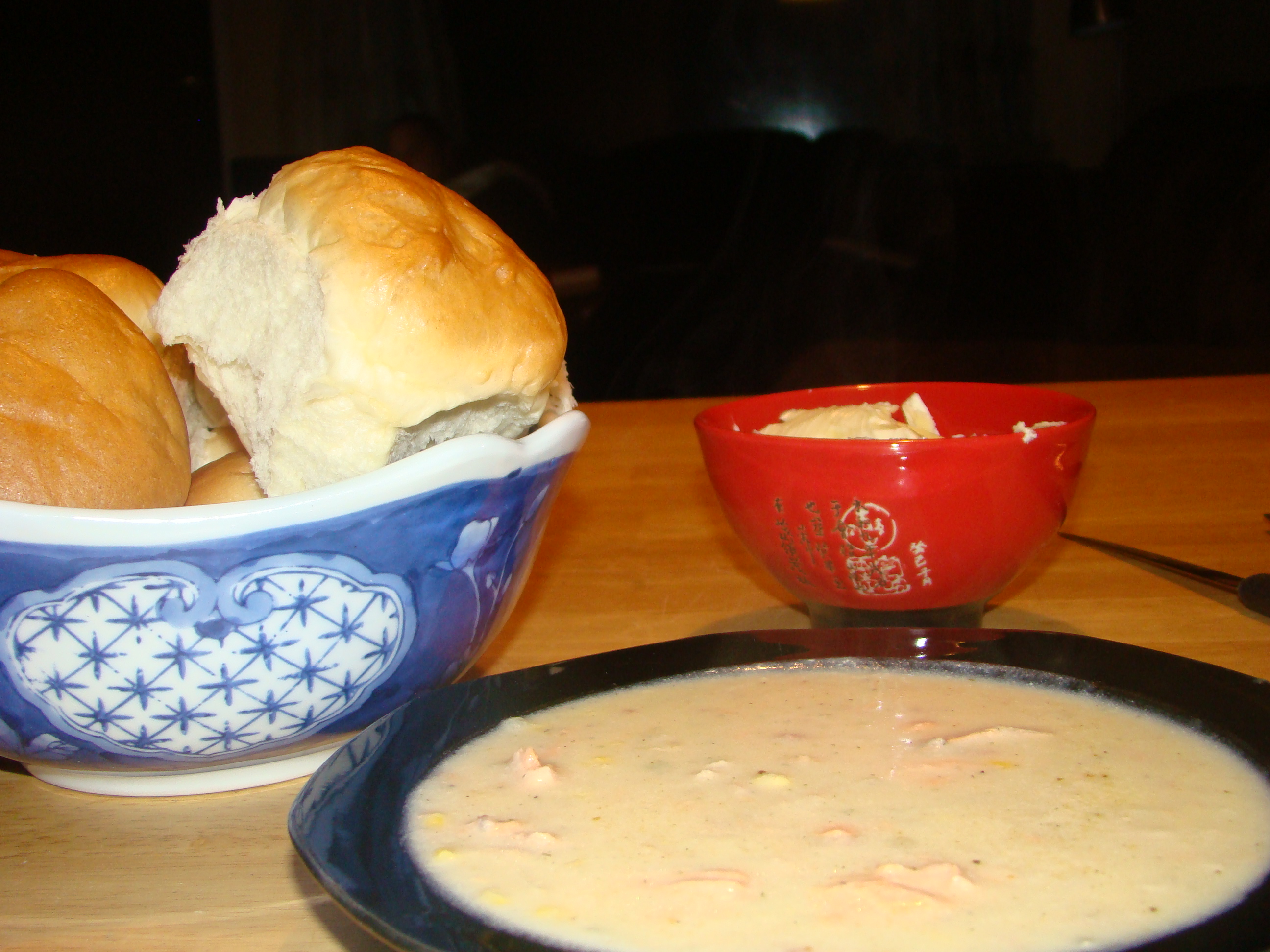
Yesterday I made salmon chowder (from a Spring my son caught last summer) and while I consider myself a decent cook, I impressed even myself. I was wowed by the scrumptious creamy, savoury results. I used a recipe from Allrecipes.com, then modified it (as is my style) ‘til the concoction in my pot could never be recreated using the recipe card sitting on my counter.

As I cooked (and tasted!), my mind wandered all over the place, but especially back to the novel that I’m working on. In the last scene, written just shortly before I started dinner, my MC was making soup. And there were soup references in my last novel too. The books aren’t the type that will be marketed at gourmands, with recipes in the back (though I do love those). In fact, the scenes are very brief—I don’t know if a reader would even consciously remember them, but they are, I realized, symbolic.

Soup is the epitome of comfort food, belonging and home. Every culture has its own variations of the dish, and while soup can be whimsical, there’s nothing trendy or passé about throwing things in a pot to simmer and blend all together into something, always a bit different, always good. Soup, regardless of its name, is as old as the human race.

And what does my character want and crave, but not have? Family. A sense of belonging. A home.

Food and eating of all kinds (not just soup!) has weighty (no pun intended) positive and negative connotations for the character as an individual and within his/her relationships. What your character eats or doesn’t eat, and the way they eat—standing over the kitchen sink, or with wine and candles even when alone—says a lot about their personality, their desires, their family background, their financial situation and so much more.

The way characters prepare food (or don’t) also shows who they are, how they perceive themselves, and how they want to be perceived by others. I don’t know what this says about me, but when I make soup, I feel like a good mom. What does your character feel like? A house elf? A slave? A fortunate soul to be able to cook when so many people in the world can’t put food on the table?

We shouldn’t make every scene about drinking tea or buttering fresh baguette, but we should remember that all humans everywhere eat—or need to eat—and have strong feelings about food. Sneaking in small sensory details about this primal need can be a great way to reveal information about your character.

So how about it? Have you ever considered what the food references in your story might be saying about your characters? Would adding some details about eating somehow enhance your characterization?

Love – It’s in the Details

I had a terrible day a few weeks ago. When I finally crawled into bed, my husband was already asleep. That was great with me because I really didn’t want to talk about it anymore. I tucked myself up into a ball and rolled up against the mighty wall of his thick-muscled back as tightly as I could.

As I listened to his heartbeat and to the rumble-not-quite-snore of his dreaming, I was slowly comforted. No matter what days come, I thought, I have this.

And then something struck me so hard I literally jolted, causing him to pat my leg absentmindedly (no doubt thinking, Shh, shh, let me sleep—don’t wake me up . . .). What I realized was this: There are other people who, when they feel bad, sneak onto their side of the bed without making a sound and lie there, silent in their misery, alone—the body beside them being the last person they would—or could—seek comfort/solace/respite in.

And because I’m a freak and can never totally escape my inner writer, I had to turn this sweet moment of gratefulness into a craft lesson. I thought about the writing rule, “Show don’t tell,” and how in general, the way a couple positioned themselves in bed at the end of a bad day would be a powerful indicator of how they related to each other.

What I did says something about me. What my husband did (in not rolling away and burrowing his head under a pillow when I’m sure having my knees jammed against his back and me sniffling and flinching wasn’t exactly a big pleasure) says something about him.

People reveal themselves—their passions, their fears, their insecurities, their hopes, their strengths, their vices—in a million ways in little moments everyday. And often, because none of us are perfect or completely consistent, even with ourselves, there are tiny contradictions that may (rightfully or wrongfully) colour our interpretations of people.

A relationship might seem rocky or strained when couple snipes at each other in public—but that falls away, or at least loses weight, when they hold hands when no one else is around and he opens the car door for her or she gets him his favourite snack. And vice-versa, Shakespeare’s famous line, “The lady doth protest too much, methinks,” can apply in a negative way to romantic love too. If a couple is too sugary-sweet and all over each other all the time in public (and they’re older than nineteen), I confess I’m a little sceptical about the strength of the tie that binds them . . . (But than again, maybe not—maybe they’re genuinely more touchy-feely and I’m just an old curmudgeon!)

Now how about you . . . Do you consciously consider little “throwaway” moments that reveal your characters’ relationships with themselves, their mates, their kids, their friends, etc? Do you notice what, if any, contradictions exist between what they say and how they act? Is it harder, in your opinion, to show nuances of love or nuances of trouble brewing . . .

Take 15 . . .

I’ve been extra busy lately—in good ways, with great things: my business, my part-time day job, my family. . . And though I strive (and mostly succeed) to work on my own writing projects, plus do at least one “author Ev” chore daily, I’m always tempted to give into the feeling that I can’t fit one more thing in and should go watch TV.*

The ongoing struggle is not to find words, but to sit my butt down and get them out on the page.

For the most part though, I’ve learned well not to yield to sloth (unless I really need to which is another post for another day ;)). Not making my own work a priority makes me miserable. Plus, I work hard to not let other people down and to help them achieve their goals—so why wouldn’t I give myself the same treatment?

And in that vein, I was fortunate this month to discover two amazing strategies for getting work done even when you think you have no time.

The first strategy comes from a course I took online through RWA, offered by author Kerri Nelson , called “The Book Factory—Produce Multiple Novels in a Year” (an amazingly practical and inspiring class, by the way. I highly recommend it). It boils down to this: write new words everyday, even if just for 15 minutes. Set the timer and write flat-out, no editing, no breaks, no pausing to think . . .

It’s freakish how effective those fifteen-minute sprints have been for me this month and last. I’ve had NO fiction writing time, yet in January I wrote 18 142 new words.

The second strategy is a bit more specific, but no less powerful. It’s “Plot your novel in 15 minutes or less” by Claudia Suzanne and I came across it at Mayra Calvani‘s blog (Mayra’s Secret Bookcase), a site recommended to me by author and friend Angela Dorsey (Oh, the tangled World Wide Web!).

I don’t usually outline at all, but desperate to not lose a new novel idea that just occurred to me last week, I thought I’d give it a try. I loved it. I now have a very bare bones, yet fantastic 15-point outline that gives me plenty of freedom, but that will guide me through to the story’s end, and (even better!) provide a frame for the book’s synopsis (my least favourite part of novel writing).

Anyway, I’d love to hear how your writing and life is going this month. And if you’re busy and my small suggestions above motivate you to put off your lounge on the couch for even just fifteen minutes, you’re welcome, heh heh.

* Yes, I realize there’s an obvious logic problem there—if I have no time, how can I manage to watch TV? What can I say? I like television . . .

The Pedastal Magazine

I was checking out the latest issue (61/Ten-Year Anniversary) of an e-zine I read in regular binges, The Pedestal Magazine, and I had to bring the editor’s letter to his readers to your attention.

I’ve written before about why I write, why I read and the value of the Arts to me, personally, and to Society as a whole. John Amen’s articulations on the subject so closely mirror my own, I confess I got a little misty: “. . . art saves lives. It saved mine when I was a teenager. If I had not somehow believed in the importance of creative expression, I would not have had anything tethering me to life itself. That I could write (or paint or make music) was paramount to me; it was everything, in a way. It was a redemption.”

I want to quote his next paragraph too–and the next. Instead, however, I refer you to the Readers’ Message in its entirety. I hope you find it as inspiring, affirming, and challenging as I did.